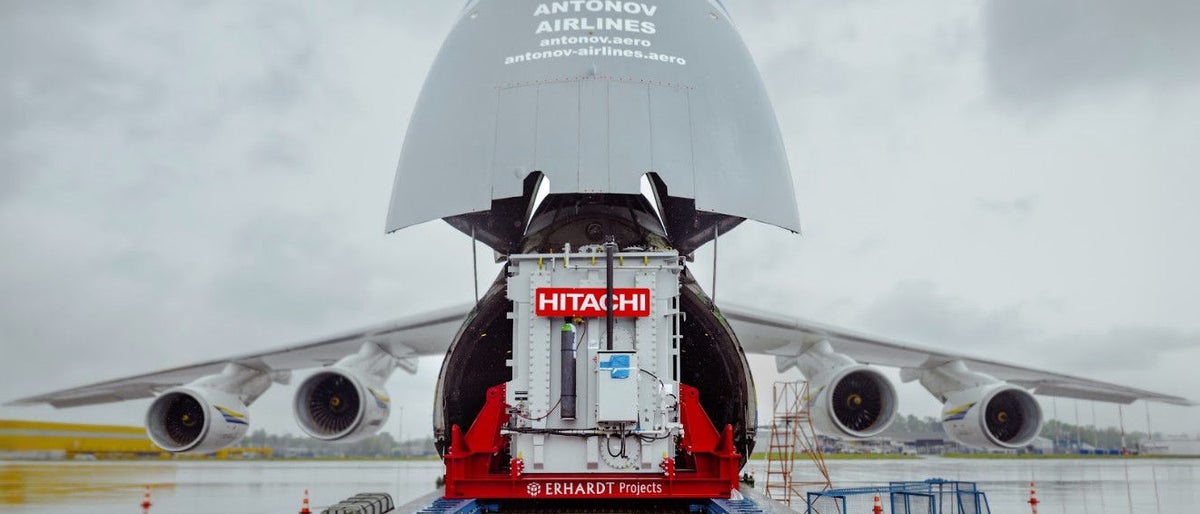
Transformers are increasingly recognized as strategic infrastructure, essential for grid expansion, industrial electrification, renewable energy integration, and AI-enabled digital infrastructure. They are also highly material-intensive assets, relying on specialized steel, copper, and aluminum, as well as sophisticated supply chains and advanced manufacturing capabilities.
Europe is today a global leader in transformer technology with a significant manufacturing footprint and a strong export position. In 2025, EU exports across key transformer categories reached approximately $4.2 billion USD according to Eurostat, with large power transformers accounting for nearly half of that total, making Europe one of the world’s leading exporters in this segment.
At the same time, global competition is intensifying. China has become the largest transformer manufacturing base globally, supported by scale, domestic demand and vertically integrated supply chains. Europe occupies a different position in the value chain, leading in high-voltage, HVDC, offshore and high-efficiency transformer technologies, underpinned by advanced engineering standards, strong innovation capabilities and a highly skilled workforce.
Maintaining this talent base is not only an employment concern – it is a delivery constraint for Europe’s grid buildout and industrial resilience. The ability to design, manufacture, and mobilize large transformers at short notice is a direct outcome of sustained industrial capability and coordinated ecosystems – and that capability needs to be preserved and further developed. Amid ongoing discussions about industrial safeguards and supply chain security, this project offers a tangible example of why transformer manufacturing and its upstream inputs should be treated as strategic infrastructure instead of a standard industrial category. Policy choices that constrain availability of critical inputs risk slowing grid expansion precisely when Europe aims to accelerate electrification and competitiveness.