
Linking continents: How Elmed is shaping the future of electrified economies
Features | Global | 21.07.2026 | 6 min read
Features | Global | 21.07.2026 | 6 min read
As electrification accelerates worldwide, reliable, affordable, and sustainable power is becoming central to economic growth and energy security. To meet rising demand and remain competitive in a rapidly changing global landscape, nations are investing in power generation and grid infrastructure at an unprecedented scale.
This shift is evident in global discussions, including at London Climate Action Week, where initiatives such as “Electrify Now” have been launched to accelerate electrification and support a global ambition to raise electricity’s share of energy demand to 35 percent by 2035.1 The winning direction is clear: modernize and electrify, or be left in the dark.
In this new energy reality, the ability to share electricity resources across borders – balancing supply and demand across regions in a reliable and flexible way – is emerging as a critical advantage. Interconnected power systems are no longer just an efficiency measure; they are becoming foundational to resilient, high-performing economies.
At the heart of this transformation are interconnectors. By linking energy systems across countries and continents, they enable societies and industries to access cleaner energy, strengthen security of supply, and accelerate the transition toward more sustainable power systems. Increasingly, these connections are proving to be true game-changers, redefining how electricity is generated, transmitted, and consumed on a global scale.
The Mediterranean region is a clear example of this transformation. Europe’s rising need for clean, reliable electricity can be supported by North Africa’s vast renewable energy potential, but realizing this opportunity depends on infrastructure that can bridge continents.
The Elmed Project brings this vision to life. As the first high-voltage direct current (HVDC) electricity link between Europe and North Africa, it represents a major step toward a more integrated Mediterranean energy system.
Developed by Terna in Italy and STEG in Tunisia, and powered by Hitachi Energy’s HVDC technology, the link will connect Partanna in Sicily with Mlaabi in Tunisia, spanning approximately 220 kilometers across the Strait of Sicily. With a transmission capacity of 600 megawatts (MW), Elmed will enable substantial volumes of electricity to flow between the two countries, creating a new energy corridor between continents.
The result? A more connected and resilient regional energy system where strengthened cooperation enhances security of supply, greater system flexibility allows electricity to flow where it is needed most, and renewable energy can be integrated more effectively across borders. In turn, this creates new opportunities for economic development, supporting investment, market integration, and long-term growth across the Mediterranean region.
Delivering this level of integration requires advanced transmission technologies capable of operating across long distances and challenging environments. HVDC technology plays a central role in enabling such interconnections.
Unlike conventional alternating current (AC) systems, HVDC allows efficient transmission over long distances and via submarine cables, with lower losses and precise controllability. In the case of Elmed, where much of the link runs underwater at depths of up to 800 meters, HVDC is the most effective solution.
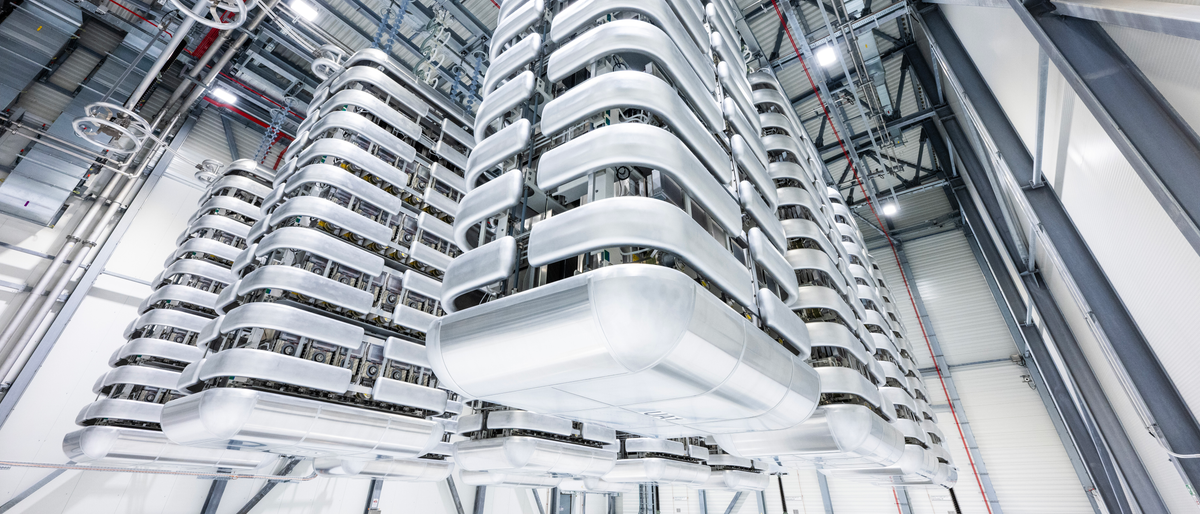
Hitachi Energy is delivering the HVDC solution, including the design and supply of the converter stations at both ends of the link. These stations are the heart of the system, converting AC from the grid into direct current (DC) for transmission – and back again at the receiving end. The solution combines converter valves, power transformers, high-voltage switchgear, and the MACH™ digital control platform to ensure stable, efficient operation, and real-time control of power flows – supporting the integration of renewable energy.
Elmed is not just an interconnection between two countries – it is the start of a new energy corridor linking continents. By combining advanced HVDC technology with deep system expertise, we are helping create the flexibility and resilience needed to integrate renewable energy at scale and extend the reach of reliable electricity.
Hitachi Energy’s role in projects like Elmed is underpinned by a unique legacy, which is one of the richest in the history of electrification. The company brings together more than a century of pioneering expertise through the combined heritage of Westinghouse Electric in the United States; Brown Boveri & Cie and ASEA in Europe; ABB Power Grids; and Hitachi in Japan.
These pioneers helped shape the modern energy system, from the first large-scale transmission of hydroelectric power from Niagara Falls to New York, to Europe’s leadership in transformers, switchgear, and the development of the world’s first HVDC systems, as well as Japan’s rapid industrial modernization through advanced electrical engineering.
Building on this foundation, Hitachi Energy continues to deliver some of the world’s most complex and strategically important HVDC projects. These include the Champlain Hudson Power Express (CHPE) in the United States2, designed to bring renewable hydropower into New York City; the Mumbai city center infeed HVDC link3, enabling reliable power supply into one of the world’s most densely populated urban centers; and Caithness Moray Shetland Project, the first multi-terminal HVDC VSC interconnection in Europe4, linking remote renewable energy resources to the UK mainland grid. Together, these projects illustrate how HVDC can connect regions, integrate clean energy at scale, and operate reliably across diverse and challenging environments.
The delivery of Elmed reflects strong collaboration between transmission system operators, technology providers, and engineering partners. Terna and STEG are leading the development of the interconnection while Hitachi Energy provides the core HVDC expertise. Civil works and infrastructure installation are being carried out by consortium partners including D’Agostino Costruzioni Generali and Orascom Construction.
D’Agostino Costruzioni Generali is responsible for the design, authorizations, and execution of civil works and auxiliary systems for the converter station in Partanna, Italy, drawing on decades of experience in large-scale infrastructure. Orascom Construction is responsible for the construction and electromechanical systems and installation of converter station equipment and systems at the Mlaabi converter station in Tunisia, bringing extensive experience in delivering large-scale power projects across multiple regions.
This combined effort highlights the importance of integrated delivery models in executing complex energy infrastructure projects, bringing together digital, electrical, and civil engineering capabilities at scale.
As investments in transmission infrastructure accelerate worldwide, projects like Elmed demonstrate how interconnections can serve as catalysts for the energy transition. By linking regions, balancing supply and demand with precise power flow control, and enabling renewable energy integration at scale, HVDC technology plays a central role in shaping a more sustainable and resilient electricity system.
For Hitachi Energy, Elmed reflects its role as a grid ecosystem partner, providing the technologies and expertise needed to connect energy systems, unlock new opportunities, and help deliver abundant, reliable, and sustainable electricity across borders.