
Hitachi Energy’s transformers with low-carbon copper to support TenneT Germany’s supply-chain decarbonization program
Features | 04.05.2026 | 3 min read
Co-creating a path to net-zero with decarbonized materials in transformers
Features | 04.05.2026 | 3 min read
Co-creating a path to net-zero with decarbonized materials in transformers
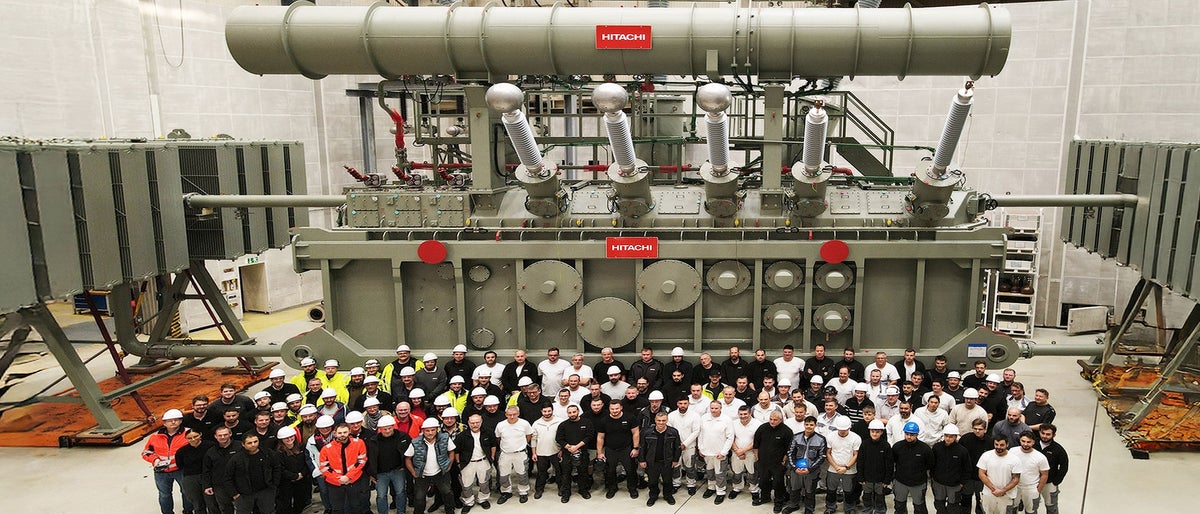
As part of a framework agreement (FA) with TenneT Germany signed in 2023, Hitachi Energy has manufactured and delivered its first power transformer (380 megavolt-ampere (MVA)) with low-carbon copper to a substation in Hardebek, a municipality in Hamburg, Germany. All units under this agreement will be deployed with low-carbon copper conductors. With this, Hitachi Energy is actively supporting TenneT’s ambitious climate commitments. TenneT Germany is the largest transmission system operator in Germany. The company aims to reduce carbon emissions by 30 percent by 2030 (compared to 2019), as outlined in the company’s program.1
The low-carbon copper conductor reduces embedded carbon emissions in transformer materials by 18 percent.2 The anticipated total reduction across all transformer units under this frame agreement – currently at various stages of engineering and manufacturing – adds up to an estimated 9,500 metric tons of carbon emissions for TenneT. To achieve the same emission savings on the European electricity grid, approximately 24 megawatt (MW) of installed wind capacity operating for one year would be required.3
We are an honored partner to TenneT Germany, contributing to Germany’s grid infrastructure development and enabling a sustainable energy future. As we strive toward net-zero, it’s important to embrace innovative collaboration and partnerships, and to engage the entire value chain to achieve the scale and pace needed to decarbonize energy systems. This unit, originating from our Bad Honnef factory, is a prime example of our joint efforts to decarbonize.
One of the first metals ever used by humans was copper, dating back over 10,000 years. While used for decorative items, weapons, and tools back then, the versatile metal is now essential for electrical wiring, plumbing, and electronics. In transformers, copper is mainly used as a conductor in the winding, chosen for its superior electrical and thermal conductivity. It helps maintain safe temperatures, prevents insulation damage, and withstands mechanical stresses, all contributing to the reliability and longevity of transformers.
Copper mining and processing are resource-intensive, making copper conductors a significant contributor to the “cradle-to-gate” environmental footprint of transformers. Adopting low-carbon copper in a transformer reduces the overall environmental impact costs from material use by 60 percent, as measured by TenneT’s Environmental Cost Indicator (ECI) methodology.4

In ancient times, copper was cherished for vessels, amulets, tools, and weapons.
Today, copper is vital for electrification and is a key component in transformers.
Many of our assets and technical components contain a high share of copper – and with that comes significant potential to jointly reduce greenhouse-gas emissions across our value chains. Our ambition is to advance economically viable, cost-efficient solutions that make sustainable materials the new standard, one of the greatest challenges we currently face in supply chain management.
According to the GHG protocol, GHG emissions can be classified into three scopes:
Over the last few years, TSOs have substantially reduced their GHG Scope 2 emissions, partly thanks to highly efficient power transformers and an increasingly renewable-powered European energy mix. But as the demand for new transformers grows, TSOs face increased Scope 3 emissions from procured capital goods. Decarbonizing the material supply chain is therefore the most effective instrument for reducing GHG Scope 3 emissions and meeting climate commitments to a net-zero5 electricity future.
We share TenneT Germany’s vision for a sustainable future and are committed to meeting our own science-based, validated climate targets. Through continuous collaboration with customers and suppliers, we are advancing the decarbonization of the transformer supply chain, offering low-carbon, and more circular material options across key materials categories for transformers, including steel, aluminum, copper conductors, and insulating fluids.