National Security in the Era of Electricity
As electrification accelerates across industries and communities, combined with the AI revolution and increasing geopolitical fragmentation, energy policy is no longer a technical issue - it is now a matter of national security.
Exploding power demand from AI and industrial transformation is colliding with ageing grids, skills shortages and rising exposure to cyber and physical threats.
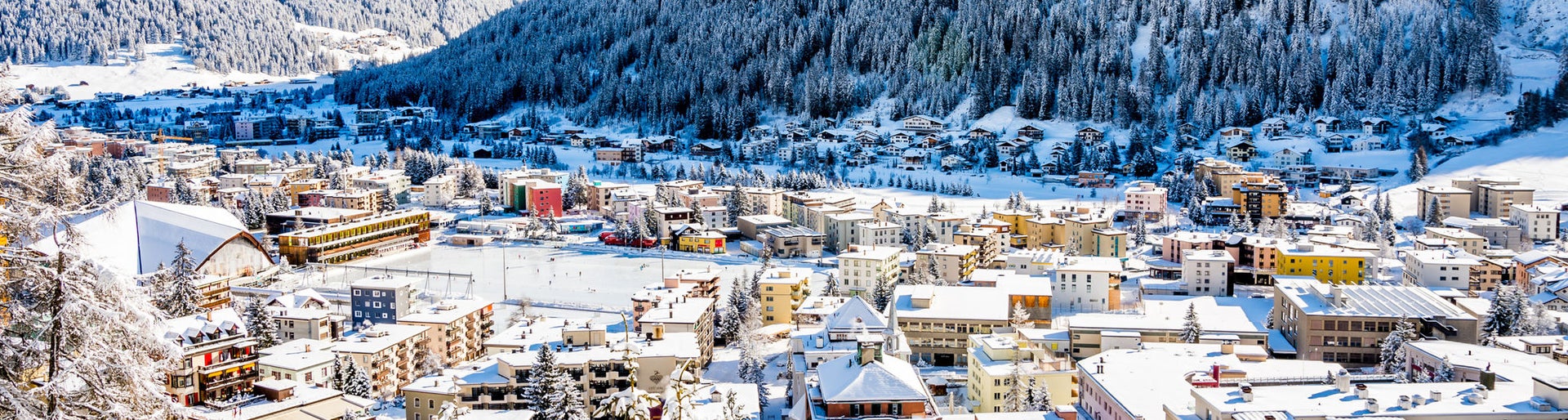
At the World Economic Forum in Davos, Hitachi Energy is convening leaders to confront how countries can secure reliable, resilient electricity systems in a more volatile world.
Through high-level dialogues, Hitachi Energy will press the case for future-ready grids, decisive policy frameworks and coordinated action — turning energy security into a strategic advantage in the era of electricity.
Register now
Agenda
From grid optimisation and predictive usage to managing system complexity, electrification and artificial intelligence (AI) are transforming the global energy system. This change promises efficiency and innovation. Yet integrating AI into energy networks begets challenges. Although AI can smooth the running of the grid, it surges electricity loads, challenges grid capacity and exposes critical systems to cybersecurity threats. As governments and industries race to prepare their power infrastructure for the future, one question stands out: how can they build an energy system capable of powering the electric age of increased AI and electricity demands while ensuring security and global competitiveness?
The convergence of physical infrastructure and digital technologies is changing how society uses energy to move, work and live. But can the power demands from AI and other sectors be met? This discussion explores how connecting digital systems (such as software and data) with physical systems (like vehicles and grids) accelerates electrification, optimises energy use, and drives efficiency and sustainability. Discover how digital innovations are transforming energy infrastructure for a cleaner, more connected world.
Europe’s energy transition is accelerating, but risks hitting a wall as the continent faces a critical labor shortage - just as it races to replace Russian gas, expand renewables at record speed, and modernize one of the world’s most complex power systems. Recent industry analysis warns that without a surge in skilled workers, Europe’s energy security pivot could stall before 2027, undermining the continent’s resilience, competitiveness, and climate commitments. The problem is stark: jobs in clean energy are multiplying faster than Europe can train for them, legacy critical sectors face simultaneous retirements and reskilling gaps, and current education systems, long biased toward academic pathways, are not producing the vocational talent the transition requires. The very infrastructure meant to secure Europe’s future, from transmission lines to offshore wind to more digitalized grids, now depends on workforce capabilities that simply do not exist at scale.
Looking back at WEF 2025
Follow us on LinkedIn
Hitachi Energy – powering purpose for the Electricity era