
Distribution Grid 3.0: Why the last mile of electrification is becoming the front line of the energy transition
Features | 25.08.2026 | 5 min read
Features | 25.08.2026 | 5 min read
A new phase of the energy transition is taking shape at the distribution level. Hitachi Energy describes this emerging reality as Distribution Grid 3.0: the shift from relatively predictable local networks into dynamic, multi-directional platforms that must connect, manage, and optimize electricity wherever it is generated, stored, consumed, or exchanged.
The concept matters because the distribution grid is fast becoming one of the decisive strategic assets of electrification. It is where electric vehicles, rooftop solar, battery energy storage systems, heat pumps, data centers, new industrial loads, and prosumers connect directly to the power system.
For decades, attention across the electricity industry understandably focused on generation and high-voltage transmission. But the operating pressures now reshaping the sector are increasingly visible, closer to the customer, at the last mile of electrification.
Across regions and markets, utilities are encountering similar challenges. Local networks were largely designed for one-way power flows from centralized generation to passive consumers. Today, they must support a more complex reality in which users can also produce, store, and consume, and utilities must increasingly provide flexibility to the grid.
That change is redefining what distribution networks need to do. They are becoming multi-directional, dynamic, distributed, resilient, and more affordable systems that must deliver higher performance while supporting the energy trilemma of security, affordability, and sustainability.
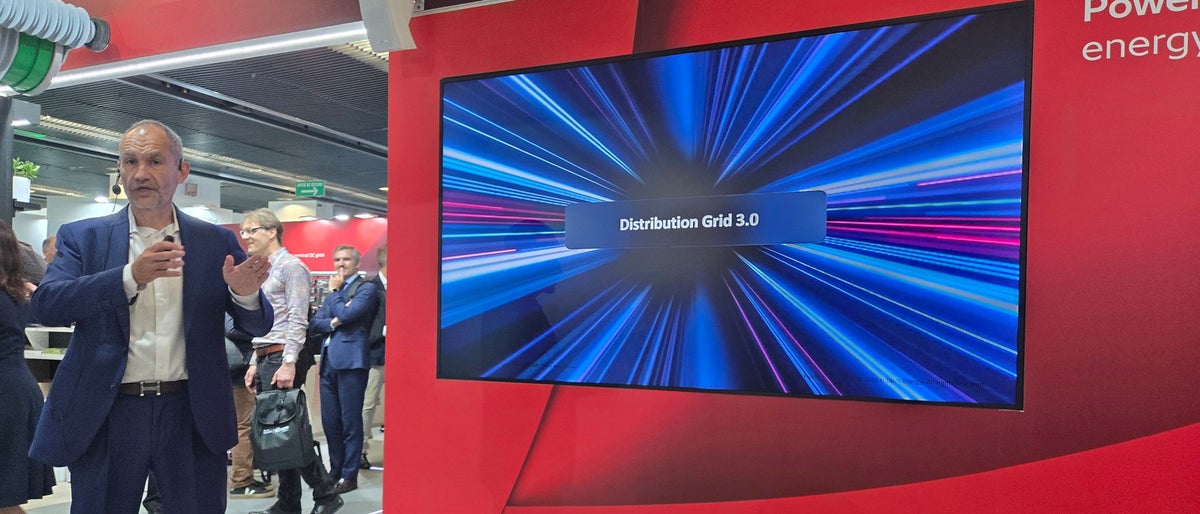
As the industry navigates this transformation, there is value in establishing a shared framework for discussion. To support that discussion, and to help create a common language around this emerging operating reality, Hitachi Energy is introducing Distribution Grid 3.0.
Distribution Grid 3.0 provides a way to describe this new operating model:
Multi-directional, because power increasingly flows both to and from users
Dynamic, because system conditions can change significantly within hours or even minutes rather than over years
Distributed, because generation, storage, and flexible loads are becoming more decentralized
Resilient, because societies that depend more heavily on electricity require higher levels of reliability and security
Affordable, because utilities must balance growing investment requirements with cost efficiency and maximum utilization of existing infrastructure
Taken together, these shifts point to a simple conclusion: distribution grids have entered a new operational era, and their ability to adapt will help determine how quickly electrification can scale.
The growing importance of distribution networks is now reflected in industry analysis and investment forecasts. Eurelectric’s « Grids for Speed » report warns that underinvestment in distribution grids could slow the connection of renewables, electric vehicles, and heat pumps, turning local networks into a bottleneck for the energy transition.
The same report estimates that Europe may need up to €67 billion in annual distribution-grid investment from 2025 to 2050, including new and modernized infrastructure as well as digitalization, to support decarbonization and electrification goals.
The implications extend well beyond the power sector. Electrified transport, energy-efficient buildings, AI-enabling data centers, local energy communities, and industrial electrification all depend on distribution networks that can connect new demand, integrate distributed resources, and maintain reliable service under more variable conditions.
As societies rely more heavily on electricity for mobility, healthcare, education, communications, business, and public services, distribution infrastructure is becoming critical infrastructure for economic development, quality of life, and resilience.
The challenge is that electrification is accelerating faster than the grid infrastructure can adapt. The International Energy Agency has highlighted that planning, permitting, and completing new grid infrastructure can take 5 to 15 years, while new demand-side and supply-side technologies can often be deployed in one to five years.
That timing mismatch is already central to the Distribution Grid 3.0 discussion. Electric vehicle charging infrastructure, renewable energy projects, data centers, and flexible loads can be integrated into local networks far more quickly than traditional reinforcement programs can be planned and delivered.
For utilities, this creates a dual imperative: build new infrastructure where it is needed, while also extracting greater flexibility, capacity, and intelligence from existing networks.
Expansion remains essential, but expansion alone will not be enough. The next phase of distribution-grid modernization must combine physical reinforcement with digitalization, advanced automation, power-quality management, and grid-enhancing technologies.
These capabilities can help utilities improve visibility, manage variability, optimize asset utilization, and increase available network capacity while longer-term infrastructure investments are delivered.
Hitachi Energy is using Distribution Grid 3.0 to create a clearer common language for this transformation. The aim is not to define a single technology solution, but to frame the operating reality we are already facing and the portfolio of responses needed to address it.
Utilities around the world are experiencing similar challenges. Distribution Grid 3.0 is our way of describing that emerging operating reality and encouraging a broader industry conversation around it. We believe shared language can help create shared understanding, and shared understanding can help accelerate effective responses.
The question is no longer whether distribution grids will evolve, but how quickly they can adapt to support a more electrified, distributed, resilient, and sustainable future.
That makes Distribution Grid 3.0 an industry conversation worth accelerating. The next phase of the energy transition will be shaped not only by how much clean energy is generated, but by how effectively distribution networks can connect, orchestrate, and optimize it at the edge of the system.
CIGRE has long served as a forum where important industry conversations take shape. As the last mile of electrification becomes a front line of transformation, the evolution toward Distribution Grid 3.0 deserves to be one of them.