
The Digital Shift Powering the Energy Future: Insights from the Economist Impact Summit
Blog Post | 09.04.2026 | 3 min read | Andy Howell
Blog Post | 09.04.2026 | 3 min read | Andy Howell
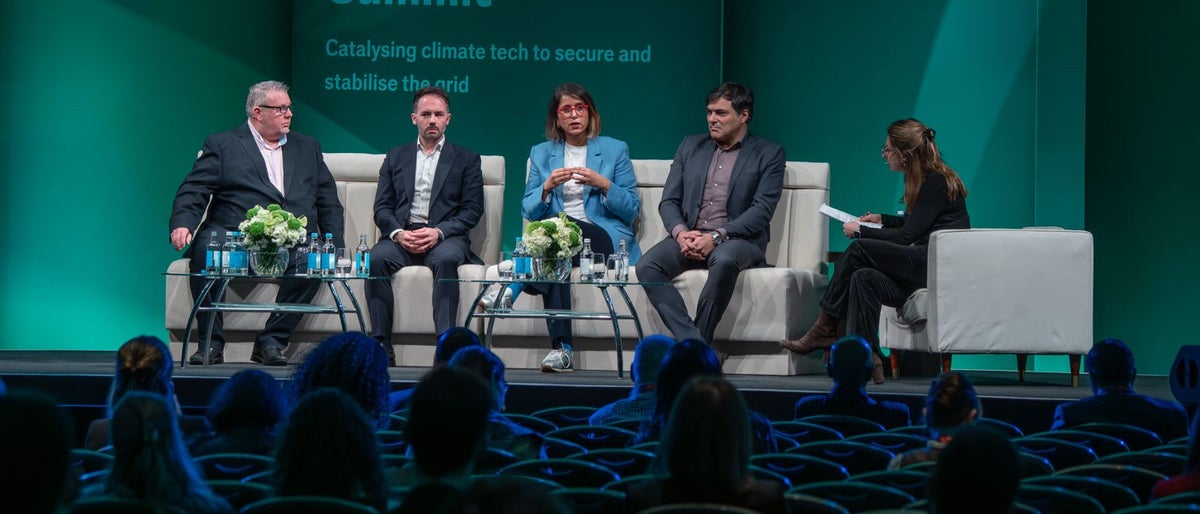
The energy transition is no longer a distant ambition—it’s a lived reality for energy companies and their customers. Every conversation I have with leaders across the sector reflects the same tension: electrification demand is rising, expectations are rising even faster, and the systems we rely on were never designed for this level of dynamism. That’s why forums like the recent 3rd Annual Energy Transition Summit hosted by Economist Impact matter so much. They create space for honest discussion about what’s changing, what’s holding us back, and, most importantly, what’s possible.
What struck me most at the summit was how clearly the focus has shifted from aspiration to execution. Flexibility has moved from a niche concept to a mainstream requirement. Electrification of data centers and transport, the rapid growth of distributed energy resources (DERs), like rooftop solar, and electric vehicles, and the emergence of large, fast-changing loads are all putting unprecedented pressure on the grid. At the same time, customers are asking a fair question: How do we make the most of what we already have while we build what comes next?
One recurring theme was that the answer isn’t purely physical infrastructure. Yes, grids need to be modernized and scaled. But there is also enormous, untapped potential in better visibility, smarter controls, and more coordinated operations. With clearer insight into how power is flowing, operators can unlock capacity, improve resilience, and buy valuable time as larger investments come online. That kind of flexibility isn’t theoretical; it’s practical, and it’s increasingly essential.
Another powerful thread was the role of policy and regulation. Many of today’s policies were written for a very different energy system. Updating them is not about lowering standards: It’s about enabling innovation to happen safely and faster. History shows that thoughtful policy can accelerate change, just as it did for renewables. Customers don’t want to wait for perfect conditions; they want pathways that let them move forward now, with confidence.
AI and digital technologies also featured prominently, and for good reason. While AI-driven demand is growing quickly, it’s also highly variable. The insight I hear repeatedly from customers is that building excess capacity to handle peaks is neither affordable nor sustainable. The smarter approach is to understand the grid in real time and use that intelligence to balance loads, schedule demand, and connect planning and maintenance with operations. Done right, this makes the system more resilient for everyone.
As I noted in one of the sessions...
AI…is being underutilized in our industry….The faster that we begin to use it (AI) and augment operators to make decisions quicker, the better. We know we’ve got to build bigger grids, faster grids. Technology, AI, and optimization are a (critical) part of that process of both building it (the grid) and operating it.
What gives me optimism is the shared mindset I sensed throughout the summit. There’s a recognition that innovation built the grid once—and it’s time to innovate again. With collaboration across technology providers, operators, policymakers, and customers, we can move faster and more pragmatically toward a cleaner, more reliable energy future.
The Economist Impact event recap below explores these themes in much greater depth, drawing on insights, data, and diverse perspectives from across the summit. I encourage you to continue reading to see how these conversations are shaping practical pathways for the energy transition ahead.

Get the complete session summary and discover the key themes shaping tomorrow’s energy systems—from flexibility to AI‑enabled grid intelligence.
